I’m a Closet Procrastinator. Here’s How I’m fixing it.
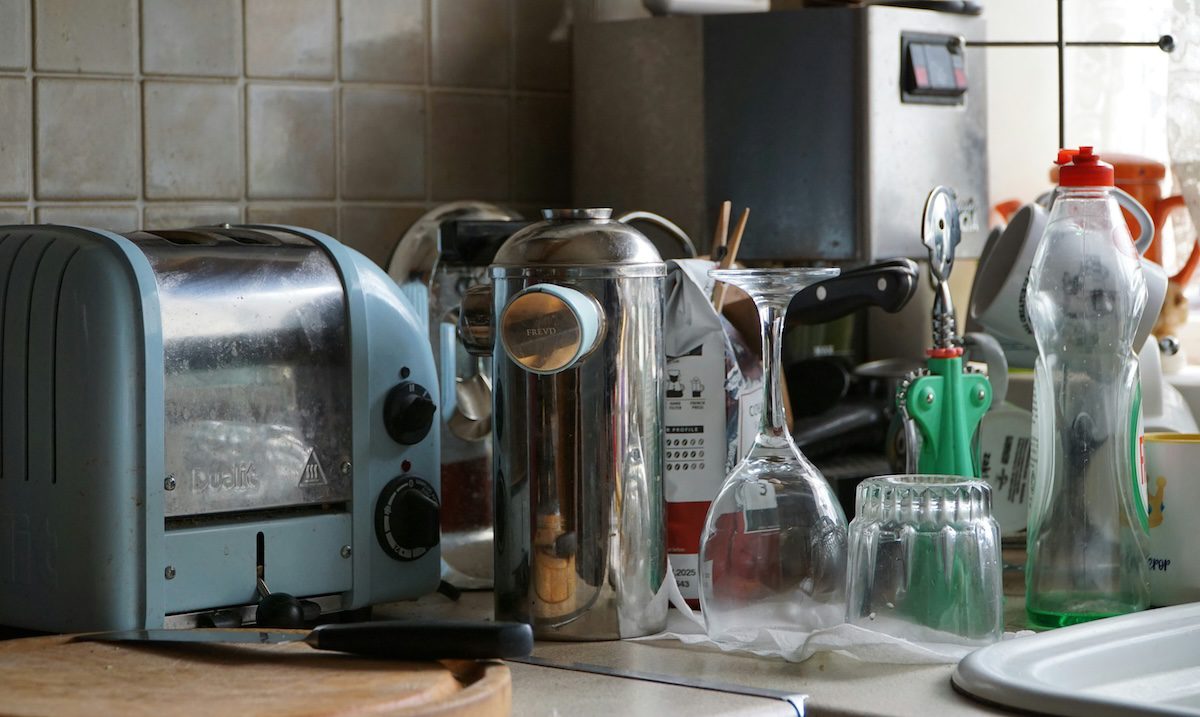
Sitting in my kitchen, I’m looking at the mess of shoes by the front door, the collection of random artifacts on my counter, and the empty Amazon boxes waiting to be crushed and thrown out.
The more I notice the mess, the more I get the ick. My skin crawls, and I get the urge to throw out all my belongings.
Today’s Sunday, and I have an ever-growing list of things to do. Cleaning always seems to butt its way to the top of the list, leaving higher-priority projects begging for attention.
Procrastinating, especially in high performers or people who seem to “have it together,” often shows up in sneaky ways.
The High-Performing Closet Procrastinator
Among my bigger projects are painting the entirety of my first floor, posting our old furniture on Facebook Marketplace, finalizing Christmas gift shopping, and doing my “intention mapping” later today. I get nauseous thinking about everything I “have” to do, knowing full well the end of the day will arrive and I’ll likely say, “I didn’t get xyz done.”
I wish it wasn’t true, but I’ve always been a procrastinator. On the outside, colleagues, some friends, and my mom believe that I have a knack for getting things done. It’s a mirage. I’m inefficient in a lot of what I do, and it’s largely due to procrastination.
It’s not that I’m lazy. I’m not blowing off bigger projects to watch television. For higher-performing people, procrastination can be harder to spot from the outside, but it’s felt deeply by the person engaging in the behavior.
Rather, I avoid doing the tasks I really ought to be doing in favor of lower-level, but still relevant, tasks. As painful as cleaning is, I often allow it to eat up hours of my day on a weekend in lieu of tackling an important to-do item.
The Ultimate Consequence of Procrastination: Stolen Mental Space
My biggest issue with procrastination isn’t just that things don’t get done. Yes, that’s an obvious consequence. I often have to remind myself, “If I don’t do it, who will?” But the real problem with procrastination is that it creates mental clutter and an unclosed loop.
Our brains are wired to have those “story loops” closed. Loose ends have a way of gnawing at us during the day. Have you ever gotten to the last chapter of a book, or the last ten minutes of a movie, and had to stop abruptly? It’s unsettling. Your brain craves closure. It wants to know the conclusion.
The same thing happens when you procrastinate. You clutter up your mental space and leave an untied loop, an unfinished story.
I recently learned there’s an actual name for this — it’s called the Zeigarnik Effect. This means unfinished tasks will stick with you, creating a cognitive burden (aka mental load).
By allowing yourself to procrastinate on certain tasks, you make yourself less efficient at accomplishing other tasks. You essentially slow your whole system down.
You won’t be able to feel fully at ease or concentrate on other initiatives because of the nagging feeling that there’s something else you really ought to be doing or finishing.
But I’m getting better. I’m trying, anyway. It’s not been easy, and I still have ever-growing to-do lists, but I’ve found a few ways that have helped me get momentum when I don’t have motivation. These aren’t my original ideas. They’re borrowed from the “greats,” and you’ll likely recognize at least one of them.
Tools That Actually Help Me Take Action
The Two Minute Rule
This idea was popularized by David Allen, and there’s a reason it’s so commonly circulated. The idea is simple: If the task will take two minutes or less, just do it. Don’t put it on a list. Don’t put it off.
That phone call you’ve been avoiding? Just do it. That mess in the corner that’s been bugging you? Pick it up.
Think about how quickly two minutes pass. I can almost guarantee you’ve scrolled on Instagram or TikTok for longer than two minutes in the past hour.
Not every task can be distilled into two minutes, and that’s ok. Tasks that typically fall into this bucket include making doctor’s appointments, texting back a friend, emptying the dishwasher, or sending an email to customer service.
What have you been putting off that will literally only take a couple of minutes to get done? Don’t overthink it or make a list. The first thing that pops into your head, just do it.
Temptation Bundling
Katy Milkman came up with this idea, and it’s one I’ve used to accomplish plenty of hateful tasks. When there’s something you don’t want to do, pair it with something you love, and it becomes far more tolerable.
For example, last spring when I was painting my office, I listened to audiobooks. By only listening to my audiobook while painting, the task actually became enjoyable. I wanted to know what happened next, and the whole thing became cathartic.
Consider what you enjoy doing, and find a way to pair it with something you’d rather avoid. You can also use a variation of this tactic by allowing yourself to have or do the thing you really want immediately after finishing the unpleasant task.
I use this reward system to get things done, and I find it effective.
Break the Big Tasks Down into Smaller Ones
When I’m looking at a big project, part of the reason I avoid it is because it feels too overwhelming. Too many steps, too many decisions.
Instead, I break the project into the smallest possible components. You stop looking at the project as a behemoth and instead see it as a series of smaller tasks. Smaller items feel more tangible, and they’re easier to start.
This builds momentum and takes you one step closer to your project goal.
Fifteen Minute Rule
This “rule” is almost the inverse of the two minute rule. Even after breaking projects into tasks, some tasks still feel daunting. That’s normal. For example, I have to paint my living room today, and one task is to tape the trim. No fun. Still don’t want to do it, even though it’s a smaller task.
When I hit these mental blocks, I commit to a small amount of time. Often it’s ten or fifteen minutes. I’ll tell myself, “Just spend xx minutes doing xx, then stop.”
I’ve used this tactic for dreadful projects like cleaning my basement. You’d be surprised how much you can get done in fifteen minutes.
Why These Small Shifts Matter
As I consider what’s most important today, I’ll think about which of these tactics, or which combination of them, will help me get closer to my goals.
Getting things done isn’t just about checking tasks off a list. It’s about creating mental space for more important things, a more creative and innovative life. It’s about living with more intention and purpose, letting yourself be strategic. Allowing in space for meaningful work.
Doing what really matters to you.
If that’s not motivation to combat procrastination, I don’t know what is.
If this piece resonated with you, or if you have other tactics that have helped you clear out your mental inbox, leave a note in the comments!
Frequently Asked Questions
1. Why do high performers procrastinate even when they seem productive?
High performers often procrastinate through “productive avoidance,” focusing on low-stakes tasks that feel responsible but don’t move their goals forward. This creates the illusion of efficiency while helping them avoid discomfort, uncertainty, or decision fatigue that comes with more meaningful work.
2. How does the Zeigarnik Effect increase mental load when I procrastinate?
The Zeigarnik Effect explains that unfinished tasks stay active in your mind, creating mental tension. When you procrastinate, your brain keeps those open loops running in the background, which raises your cognitive burden, drains focus, and makes it harder to fully relax or concentrate on anything else.
3. What simple strategies actually reduce procrastination in everyday lif
Practical strategies include the Two Minute Rule for tiny tasks, temptation bundling to make unpleasant tasks more enjoyable, breaking projects down into smaller steps, and using a Fifteen Minute Rule to build momentum. These approaches shrink the mental barrier to starting and help you reclaim focus.